Prevention
Avoiding waste creation in the first place.
In a world where our environmental impact is becoming increasingly evident, understanding sustainable waste disposal practices is vital. With the consequences of improper waste management looming large, we must rethink our habits to safeguard the planet for future generations.
Understanding the waste hierarchy helps prioritize sustainable waste management practices. Below is a visual representation of the key steps involved in implementing this approach:
Avoiding waste creation in the first place.
Minimizing the amount of waste generated.
Finding new uses for items instead of discarding them.
Processing materials to make new products.
Safely disposing of what cannot be reused or recycled.
In today's world, we're all becoming more aware of our environmental footprint. The impact of waste on our planet is significant, and that's why sustainable waste disposal practices are so essential. When we dispose of waste carelessly, it not only harms our surroundings but also contributes to climate change. That's where eco-conscious disposal comes into play, helping us rethink how we manage our trash and its effects on the environment. For more insights on environmentally friendly methods, consider exploring eco-friendly household waste disposal practices.
By adopting sustainable practices, we can ensure that our waste is handled in a way that minimizes environmental damage. Understanding the need for proper waste disposal helps us move toward a cleaner, greener future. It’s about more than just throwing stuff away—it's about taking the right steps to protect our planet for generations to come!
Why is eco-conscious disposal important? The answer lies in the consequences of improper waste management. When materials end up in landfills, they can take years or even centuries to decompose. Moreover, harmful substances can leak into the soil and water supply, creating long-term ecological challenges. This is why we must embrace eco-friendly practices!
At Junkivo, we're passionate about connecting customers with local haulers who prioritize eco-friendly disposal methods. By integrating sustainability into junk removal, we aim to make a positive impact on our communities and the environment!
To grasp sustainable waste disposal better, it's crucial to understand some key terms. One commonly used term is sustainable waste management, which refers to practices that reduce waste generation and promote the efficient use of resources. Then there's eco-conscious disposal, which emphasizes the environmentally friendly methods of getting rid of unwanted items.
The concept of waste hierarchy also plays a significant role in eco-conscious disposal. It prioritizes waste management strategies in a specific order, which includes:
Understanding these terms helps us appreciate the importance of eco-conscious practices in our daily lives. By being aware of our choices, we can contribute to a more sustainable future while decluttering our spaces!
Now that we've covered the significance of eco-conscious disposal, let's delve into practical strategies for reducing waste. When we adopt the waste hierarchy approach, we can make a substantial difference in how we manage our trash.
The waste hierarchy is a powerful tool for guiding our waste management efforts. By following this framework, we can take steps to prevent waste before it even occurs! It’s like a roadmap for sustainable living.
By embracing the waste hierarchy, we can shift our mindset towards sustainable waste management, making choices that benefit our planet one step at a time!
Every household can take actionable steps to diminish waste, and it's easier than you might think! Start by replacing single-use plastics with reusable alternatives. For example, you could use cloth bags instead of plastic ones when shopping. These small changes can add up to a big impact!
At Junkivo, we believe that by incorporating these practical steps into daily life, we can create a culture of sustainability that resonates throughout our communities!
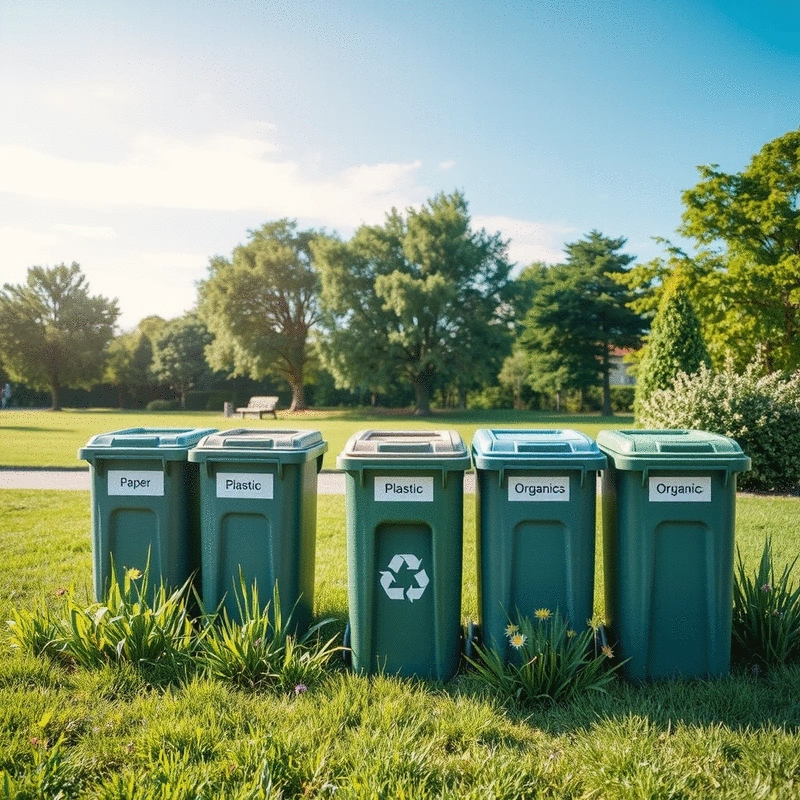
Recycling and resource recovery are essential components of sustainable waste management. Participating in local recycling programs helps divert waste from landfills, allowing materials to be processed and reused. It’s a win-win for everyone!
Consider checking out community recycling centers for options to recycle:
By getting involved in these initiatives, you can help create a cleaner environment while also promoting resource recovery in your community. Together, we can make a significant difference in our approach to waste!
Here's a brief recap of the key points discussed so far:
When it comes to eco-conscious disposal, understanding local regulations is crucial. Each area has specific rules that guide how waste should be managed, and knowing these can help ensure that we all contribute to a cleaner environment. At Junkivo, we believe that staying informed about these regulations is part of our responsibility as waste management advocates. For further details on how to choose a reliable service, check out choosing the right junk removal service.
Finding and interpreting regional disposal regulations can feel daunting. However, I recommend starting with your local government’s website, where you can usually find guidelines about waste disposal, recycling programs, and hazardous waste management. This will not only ensure compliance but also help you make informed choices about your waste practices!
Setting up a comprehensive waste collection system is essential for any community aiming to enhance its eco-conscious disposal efforts. It starts with understanding the community's specific needs and existing waste challenges. By working together, we can create a system that benefits everyone!
Here’s how to build an effective waste collection system:
Each of these steps helps foster a culture of sustainability, which is at the heart of what we advocate at Junkivo. It’s about creating systems that not only meet regulatory requirements but also inspire community participation!
Now, let’s talk money! It’s important to analyze the cost-benefit balance of adopting sustainable practices. While upfront costs for eco-friendly options may seem high, the long-term savings and benefits often outweigh the initial investment. This perspective helps us see that sustainable disposal isn’t just good for the environment; it’s also good for our wallets!
When considering the cost-effectiveness of sustainable disposal methods, think about these factors:
Lastly, maintaining eco-conscious habits requires commitment from all of us. Understanding the psychological aspects of behavior change can play a pivotal role in fostering sustained eco-friendly practices. Community support systems, like those promoted by Junkivo, can help keep everyone motivated! For more information on reducing your environmental footprint, explore our article on junk removal and environmental impact.
Here are some strategies to encourage lasting changes in eco-conscious behavior:
By applying these strategies, we can work together to build a community that embraces sustainable waste management. Every small change counts, and through collective efforts, we can make a lasting impact on our environment!
Here is a quick recap of the important points discussed in the article:
Jordan Harlow is a tech enthusiast and entrepreneur with a passion for sustainability and efficient waste management solutions. With years of experience in the junk removal industry, Jordan is dedicated to driving innovation and creating seamless connections between customers and local haulers through Junkivo.