Eco-Friendly Household Waste Disposal
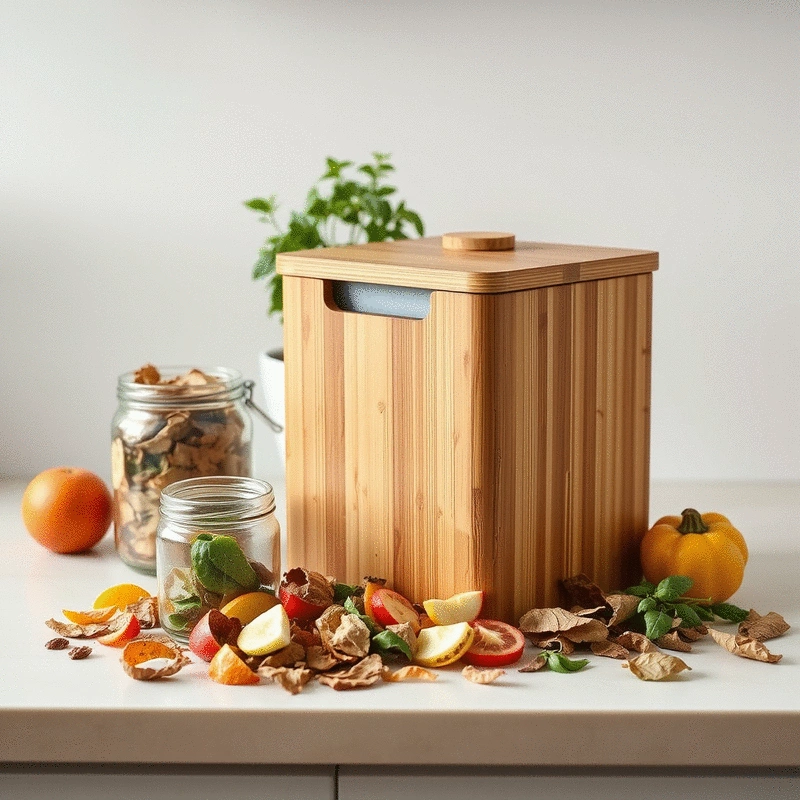
As we navigate the challenges of modern waste management, it's crucial to adopt practices that not only reduce our environmental footprint but also enhance the quality of our lives. By understanding and implementing sustainable waste disposal methods, we can contribute to a healthier planet.
What You Will Learn
- Sustainable waste management focuses on reducing, reusing, and recycling to minimize landfill contributions.
- Eco-friendly disposal methods, such as recycling and composting, help lower greenhouse gas emissions and conserve natural resources.
- The circular economy promotes keeping materials in use, emphasizing recycling and resource recovery to foster sustainable consumption patterns.
- Innovations in waste management technology, including AI and smart systems, enhance sorting and processing efficiency.
- Composting not only reduces waste but can lead to significant cost savings on disposal fees and fertilizers.
- Engaging in local recycling programs can lower disposal costs and promote community awareness about waste management.
- Using biodegradable materials contributes to reducing landfill waste and improving soil health when composted properly.
Cost Comparisons of Different Sustainable Waste Disposal Methods
Analyzing the costs of sustainable disposal options reveals significant long-term savings associated with eco-friendly practices.
Composting Costs
Initial investment needed for setup, but savings on disposal fees for organic waste can accumulate significantly over time.
Recycling Financial Implications
Many municipalities offer reduced disposal fees for active recycling, leading to potential savings.
Waste Reduction Benefits
Lowering overall waste generation not only curtails disposal costs but also reduces purchasing expenses.
Long-term Savings with Composting
Composting food scraps can reduce landfill waste volume, leading to lower disposal costs over time.
Understanding Sustainable Disposal Methods for Household Waste
In today's world, the need for *sustainable waste management* is more pressing than ever. With rising waste levels, particularly in urban areas, understanding how to dispose of household waste responsibly is crucial. At Junkivo, I believe that adopting eco-friendly methods not only benefits the environment but also enhances our quality of life. Let's dive into some core practices that can help us manage waste sustainably!
Defining Sustainable Waste Management Practices
Sustainable waste management practices aim to minimize the environmental impacts of waste disposal. This involves strategies that prioritize reusing, recycling, and reducing waste at the source. By focusing on these principles, we can significantly lessen landfill contributions and conserve resources. The EPA's Sustainable Materials Management Hierarchy provides a comprehensive framework for prioritizing waste management strategies, emphasizing reduction and reuse over disposal.
Embracing these practices can lead to a more **eco-friendly lifestyle**. For instance, not only do they help in protecting our planet, but they also promote community health by reducing pollution. It's incredible how small changes in our daily habits can lead to substantial positive impacts!
The Importance of Eco-Friendly Disposal
Using eco-friendly disposal methods ensures that waste is managed in a manner that protects our environment. Some key benefits include:
- Reduced greenhouse gas emissions: by limiting landfill waste
- Conserving natural resources: through recycling and reuse
- Promoting healthier communities: by reducing hazardous waste pollution
Choosing professionals who follow eco-friendly disposal practices is just as important as recycling at home. If you’re unsure how to evaluate providers, this guide on choosing the right junk removal service breaks down what to look for, from sustainability standards to pricing transparency.
Overview of Sustainable Disposal Methods
There are several *sustainable disposal methods* that can be adopted for household waste. Here are some common practices:
- Recycling: Sorting materials like paper, plastics, and metals for reuse.
- Composting: Turning organic waste into valuable compost for gardens.
- Donation: Giving away items in good condition instead of throwing them away.
- Upcycling: Transforming unwanted materials into new products with creative uses.
By understanding and implementing these methods, we can significantly reduce the amount of waste that ends up in landfills. The journey towards sustainable waste management begins with awareness and action!
Exploring the Circular Economy in Waste Management
The concept of a *circular economy* is vital when discussing sustainable waste management. It emphasizes the importance of keeping materials in use for as long as possible. Instead of a linear approach, where products are made, used, and disposed of, the circular economy promotes recycling, refurbishing, and restoring.
Incorporating *circular economy principles* into our daily lives can lead to more sustainable consumption patterns. This not only conserves resources but also fosters innovation. Together, we can shift towards a more responsible way of handling waste!
Principles of the Circular Economy
The circular economy is built on a few fundamental principles:
- Design for longevity: Creating products that last longer and can be repaired.
- Promote reuse: Encouraging the use of materials multiple times.
- Resource recovery: Ensuring that discarded materials are recycled or transformed into new products.
At Junkivo, we embrace these principles by connecting users with eco-conscious haulers, ensuring that waste doesn’t just disappear but gets a second chance!
Benefits of Resource Recovery
Resource recovery is essential within the circular economy. By reclaiming valuable materials, we can:
- **Reduce waste** that would otherwise go to landfills.
- **Conserve natural resources**, making them available for future generations.
- **Lower carbon emissions** associated with the production of new materials.
Ultimately, the benefits of resource recovery contribute to a healthier planet. It’s about being mindful of our consumption and recognizing the value in what we often consider waste. Let’s make conscious choices together!
Quick Summary
Here's a brief recap of the key points discussed so far:
- Understanding the importance of sustainable waste management practices like recycling, composting, and donation.
- Exploring the principles of the circular economy and its impact on waste disposal.
- Recognizing the financial benefits associated with sustainable disposal methods, including potential cost savings.
Evaluating the Impact of Sustainable Disposal Methods
As we become more aware of our environmental footprint, evaluating the impact of our waste disposal methods is crucial. Sustainable disposal methods not only benefit the planet but can also lead to significant cost savings over time. By examining various options, we can make informed decisions that align with our commitment to eco-friendly practices.
At Junkivo, we understand the importance of integrating sustainable methods into junk removal. From composting to recycling, each option has its own set of financial and environmental benefits, which we’ll explore in detail.
Cost Comparisons of Different Waste Disposal Methods
One of the most effective ways to assess waste disposal methods is by analyzing their costs. Sustainable practices, such as composting and recycling, can lead to savings in the long run. It’s about more than just the initial investment; understanding the long-term benefits is key!
- Composting Costs: While setting up a composting system requires an initial investment for materials, the savings on organic waste disposal fees can add up significantly.
- Recycling Financial Implications: Many municipalities offer reduced waste disposal fees for households that actively recycle. Engaging with local haulers like those on Junkivo can provide insights into potential savings.
- Waste Reduction Benefits: Lowering the overall waste generated not only cuts disposal costs but can also lead to savings on purchasing new items, as you’ll be repurposing more. For more tips on reducing waste, the EPA offers practical advice.
Analyzing Long-term Savings with Composting
Composting is more than just a way to dispose of organic waste; it’s an opportunity to save money! By composting food scraps and yard waste, you can reduce the volume of waste sent to landfills, which can lead to lower disposal costs. The EPA provides extensive resources on composting at home, making it easier to start.
Additionally, the compost created can be used in your garden, reducing the need for store-bought fertilizers. It's a win-win situation for your wallet and the planet!
Understanding the Financial Implications of Recycling
Recycling goes beyond just paper and cans; it can include a variety of materials, and understanding what can be recycled is essential for maximizing savings. By actively participating in your local recycling program, you can help reduce costs associated with waste disposal.
To start, here are some recyclable materials that often save you money:
- Metals (aluminum cans, steel)
- Plastics (bottles, containers)
- Cardboard and paper products
Innovations in Waste Management Technology
Technology is rapidly changing how we manage waste. Innovations in waste management not only improve efficiency but also enhance sustainability. As a tech-forward platform, Junkivo is excited about these advancements!
Adopting these technologies can lead to better sorting and processing of waste, contributing to a cleaner environment.
How AI is Changing the Landscape of Waste Sorting
Artificial Intelligence (AI) is revolutionizing waste management by improving sorting processes. AI systems can analyze waste streams with high precision, ensuring that recyclables are separated from trash more efficiently.
This not only boosts recycling rates but also reduces contamination, leading to better recycling outcomes!
Emerging Tech Solutions for Household Waste Challenges
Innovative solutions abound for managing household waste challenges. Here are some emerging tech solutions to consider:
- Smart bins that help users sort waste properly.
- Mobile apps that track household waste disposal habits.
- Online platforms connecting users to local recycling options.
Smart Waste Management Systems and Their Benefits
Smart waste management systems optimize waste collection and disposal. These systems use data and technology to streamline processes, making it easier for households and businesses to manage their waste responsibly.
By utilizing these systems, we can contribute to reduced landfill waste and promote a more sustainable future!
Encouraging Sustainable Practices in Daily Life
As we consider the impact of our waste disposal choices, educating ourselves about best practices is essential. Every effort counts, and small changes in our daily routines can lead to significant benefits for our environment.
At Junkivo, we encourage everyone to embrace sustainable practices and contribute to a healthier planet!
Frequently Asked Questions About Household Waste Disposal
Here are some frequently asked questions that delve deeper into sustainable waste management practices:
- What is sustainable waste management?
- Sustainable waste management involves strategies like reducing, reusing, and recycling to minimize waste sent to landfills, conserve resources, and lessen environmental impacts.
- How does composting save money?
- Composting reduces the amount of organic waste sent to landfills, which can lower disposal fees. Additionally, the compost produced can replace store-bought fertilizers for gardening, leading to further savings.
- What is the circular economy?
- The circular economy is an economic system aimed at eliminating waste and the continual use of resources. It involves designing products for longevity, promoting reuse, and ensuring resource recovery through recycling and refurbishing.
- How is AI used in waste management?
- AI systems are used to improve waste sorting processes by precisely identifying and separating recyclable materials from general waste, thereby increasing recycling rates and reducing contamination.
- What are the benefits of using biodegradable materials?
- Biodegradable materials break down naturally, reducing landfill waste and minimizing environmental impact. When composted properly, they can also enhance soil health.
What are the best practices for composting at home?
Composting is simple and effective if you follow a few best practices, such as:
- Using a mix of green (nitrogen-rich) and brown (carbon-rich) materials.
- Maintaining moisture and aeration for optimal decomposition.
- Avoiding meat, dairy, and oils to keep your compost healthy.
How do I dispose of hazardous waste safely?
Disposing of hazardous waste requires caution. Here are some tips:
- Identify hazardous materials (e.g., batteries, chemicals).
- Contact local waste management facilities for proper disposal methods.
- Participate in community hazardous waste collection events.
What are the benefits of using biodegradable materials?
Using biodegradable materials aids the environment by breaking down naturally and reducing landfill waste. Here are some key benefits:
- Lower environmental impact.
- Reduced reliance on non-renewable resources.
- Enhanced soil health when composted properly.
Conclusion and Call to Action for Sustainable Living
Embracing eco-friendly waste management is a vital step toward a sustainable future. By making conscious choices and encouraging others to do the same, we can collectively reduce our environmental footprint.
Ready to take the first steps? Explore local programs and resources that promote sustainable disposal methods in your area. Let’s all work together for a cleaner, greener planet!
Finally, don’t forget to embrace sustainable packaging and reusable products. Every little bit helps, and together we can make a difference!
Recap of Key Points
Here is a quick recap of the important points discussed in the article:
- Adopting sustainable waste management practices can significantly reduce environmental impacts.
- Key eco-friendly disposal methods include recycling, composting, donation, and upcycling.
- The circular economy emphasizes keeping materials in use and promotes resource recovery.
- Innovations in technology, such as AI and smart waste systems, are enhancing waste management efficiency.
- Small changes in daily habits can lead to substantial positive impacts on our environment.

Jordan Harlow
Jordan Harlow is a tech enthusiast and entrepreneur with a passion for sustainability and efficient waste management solutions. With years of experience in the junk removal industry, Jordan is dedicated to driving innovation and creating seamless connections between customers and local haulers through Junkivo.
Popular Posts
Junk Removal Process Explained Simply
![Junk Removal Process Explained Simply]() Did you know that effective junk removal can significantly enhance your living space while also bene
Did you know that effective junk removal can significantly enhance your living space while also bene
 Did you know that effective junk removal can significantly enhance your living space while also bene
Sustainable Junk Removal Made Simple
![Sustainable Junk Removal Made Simple]() Did you know that adopting sustainable practices in junk removal can significantly reduce pollution
Did you know that adopting sustainable practices in junk removal can significantly reduce pollution
 Did you know that adopting sustainable practices in junk removal can significantly reduce pollution
Donate Before You Junk
![Donate Before You Junk]() What if your unwanted items could bring joy to someone else while also benefiting the environment? T
What if your unwanted items could bring joy to someone else while also benefiting the environment? T
 What if your unwanted items could bring joy to someone else while also benefiting the environment? T
Eco-Friendly Junk Removal Trends
![Eco-Friendly Junk Removal Trends]() What if your clutter could help save the planet? By opting for eco-friendly junk removal, you not on
What if your clutter could help save the planet? By opting for eco-friendly junk removal, you not on
 What if your clutter could help save the planet? By opting for eco-friendly junk removal, you not on
