As we move forward in a world increasingly burdened by waste, the need for innovative and eco-friendly disposal technologies has never been more pressing. What if our junk could be transformed into valuable resources rather than ending up in landfills? The future of waste management is here, and it's time to explore the solutions that can help us achieve sustainability.
What You Will Learn
Sustainable Waste Management: Understand the importance of shifting from landfill reliance to innovative disposal technologies that minimize environmental impact.
Zero Waste Principles: Learn about the circular economy and how reducing, reusing, and recycling can help achieve zero waste to landfill.
Biodegradable Plastics: Discover how biodegradable plastics can significantly reduce landfill waste and support sustainability when used correctly.
Waste-to-Energy Technologies: Explore advanced methods like anaerobic digestion and plasma gasification that convert waste into valuable energy resources.
Composting Benefits: Recognize the role of composting in reducing greenhouse gas emissions and enhancing soil health through organic waste processing.
AI and Robotics in Recycling: See how smart sorting technologies improve recycling accuracy, reduce contamination, and optimize operational efficiency in waste management.
Innovative Sorting Technologies: Understand the importance of optical and magnetic sorting systems in effectively identifying and processing recyclable materials.
Smart Waste Collection: Learn about IoT-enabled bins and data analytics that optimize waste collection, improve efficiency, and reduce environmental emissions.
Community Engagement: Discover how eco-friendly disposal technologies foster community involvement and awareness in sustainability efforts.
Key Innovations in Waste Management Technologies
These technologies play a crucial role in redefining how waste is managed, emphasizing sustainability and efficiency in waste disposal. For more insights into how to make sustainable choices, explore our guide on eco-friendly household waste disposal.
Waste-to-Energy Technologies
Converts trash into energy through various methods, significantly reducing landfill waste.
Anaerobic digestion: Produces biogas from organic waste.
Incineration: Generates electricity while burning waste.
Plasma gasification: Converts waste into synthetic gas using extreme heat.
Biodegradable Plastics
Break down more easily than traditional plastics, supporting landfill diversion efforts.
Reduces plastic pollution.
Contributes to sustainable product development.
Decomposes naturally over time.
AI and Robotics in Waste Management
Enhances recycling accuracy and operational efficiency, reducing waste contamination.
Improved sorting accuracy.
Reduced operational costs.
Higher recycling rates.
Smart Waste Collection
Utilizes IoT technology for real-time tracking and optimization of collection routes.
Defining the Need for Sustainable Waste Management Solutions
As we navigate our daily lives, one thing has become painfully clear: our reliance on landfills is growing. It's no secret that landfills can have adverse effects on our environment, from greenhouse gas emissions to soil and water contamination. This reality underscores the necessity for innovative eco-friendly disposal technologies that can help us manage waste responsibly.
With the world producing over 2 billion tons of waste each year, it’s crucial that we rethink our disposal methods. I often reflect on how Junkivo aims to be a part of this solution. We believe that by connecting customers with local haulers who prioritize sustainable practices, we can help shift the focus from traditional waste disposal to greener alternatives. To learn more about selecting the right partners, read our advice on choosing an eco-disposal company.
Reducing landfill reliance
Minimizing environmental impact
Encouraging responsible waste management
Exploring the Concept of Zero Waste to Landfill
The idea of *zero waste to landfill* is gaining traction as communities look for ways to minimize waste. This concept is rooted in the principles of the circular economy, where materials are reused and recycled, rather than tossed into landfills. Innovative technologies play a pivotal role in achieving these goals by facilitating recycling processes and enhancing material recovery.
The movement towards zero waste highlights the importance of sustainability. At Junkivo, we actively support eco-friendly initiatives that encourage communities to reduce waste generation and improve disposal practices. It’s about creating a system where we value resources and think more critically about our consumption habits!
Reduce: Minimize waste production
Reuse: Find new purposes for items
Recycle: Use innovative tech to recover materials
Biodegradable Plastics and Their Role in Waste Reduction
Biodegradable plastics are emerging as a promising solution to minimize the waste problem. These materials can break down more easily than traditional plastics, significantly reducing their impact on landfills. They contribute to landfill diversion by returning to the earth instead of lingering for hundreds of years.
While they are not a complete solution, biodegradable plastics can significantly support waste reduction efforts when used correctly. At Junkivo, we're excited about the potential these materials have to complement our *eco-friendly* disposal practices and promote a cleaner environment! Discover more benefits of eco-friendly junk removal to see how you can contribute.
Break down naturally over time
Reduce plastic pollution in landfills
Support sustainable product development
Key Technologies Revolutionizing Waste Management
Advanced Waste-to-Energy Technologies
Waste-to-energy technologies are changing the game in waste management by converting trash into energy. Methods such as anaerobic digestion, incineration with energy recovery, and plasma gasification are leading the charge. Each of these techniques has its own benefits and challenges, but they all aim to reduce landfill waste while generating energy.
The potential of these advanced technologies is impressive, but they require careful consideration and planning. For companies like Junkivo, integrating these solutions allows us to provide our customers with choices that align with sustainable practices. It's about finding the best way to *reduce, reuse,* and *recycle*!
Anaerobic digestion: Breaks down organic waste to produce biogas.
Incineration with energy recovery: Burns waste while generating electricity.
Plasma gasification: Uses extreme heat to convert waste into synthetic gas.
Composting Systems and Organic Waste Processing
Composting systems are essential for processing organic waste. By turning food scraps and yard waste into nutrient-rich compost, we can not only reduce landfill waste but also enrich our soil. This sustainable practice supports healthy ecosystems and encourages a closed-loop approach to waste management.
At Junkivo, we advocate for composting as a key component of our eco-friendly solutions. By promoting composting systems, we help individuals and businesses alike divert organic waste and make a positive impact on the environment!
Reduces greenhouse gas emissions
Enhances soil health
Promotes sustainable agriculture
AI and Robotics in Smart Waste Management
The integration of AI and robotics in waste management is revolutionizing how we handle recycling. Smart sorting technologies can improve recycling accuracy and significantly reduce contamination. With these advancements, we can optimize operational efficiency and reduce waste sent to landfills.
As a tech-forward platform, Junkivo embraces these innovations to enhance our services. Our commitment to utilizing AI ensures that our customers are connected to the most efficient waste management solutions available, making it easier than ever to contribute to a sustainable future!
Improved sorting accuracy
Reduced operational costs
Enhanced recycling rates
Innovative Sorting Technologies: Optical and Beyond
Innovative sorting technologies, like optical sorting, are becoming vital in waste management. These systems use advanced imaging techniques to identify and sort materials accurately, which helps reduce contamination. The result? Higher recycling rates and a more effective waste management process.
At Junkivo, we understand the importance of efficient sorting technologies. By connecting customers with local haulers that utilize these innovations, we can help ensure that recyclable materials are properly processed, contributing to a sustainable environment for all.
Optical sorting: Uses light to identify materials
Magnetic sorting: Separates metals from other waste
Air classification: Uses air to segregate materials based on density
Smart Infrastructure for Waste Collection
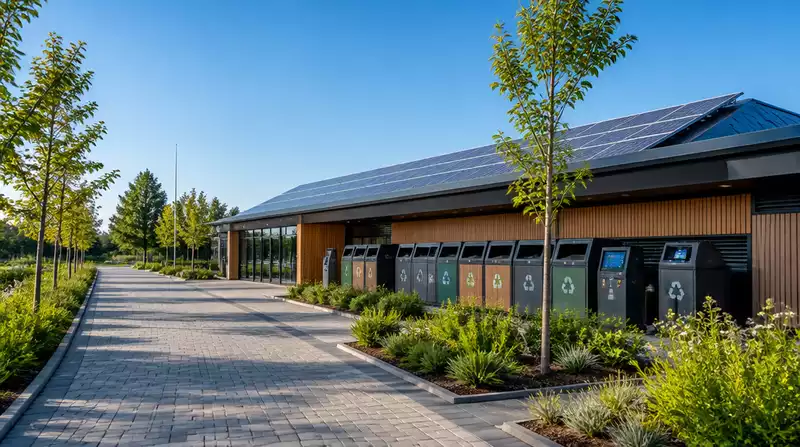
Smart infrastructure, including IoT-enabled bins and sensors, is transforming waste collection processes. These technologies allow for real-time monitoring of bin status and optimization of collection routes. This not only improves efficiency but also reduces fuel consumption and emissions from collection vehicles.
By adopting smart waste collection strategies, Junkivo aims to lead the charge towards more sustainable waste management practices. We strive to provide our customers with innovative services that make a real difference in their communities! Learn more about understanding real-time tracking in junk removal and its benefits.
IoT-enabled bins: Monitor fill levels and usage
Data analytics: Optimize collection routes
Real-time notifications: Alert haulers when bins are full
Quick Summary
Here's a brief recap of the key points discussed so far:
The growing reliance on landfills necessitates innovative eco-friendly disposal solutions.
The concept of zero waste to landfill promotes recycling and reusing materials within a circular economy.
Biodegradable plastics and advanced waste-to-energy technologies play critical roles in minimizing environmental impact.
Smart technologies—such as AI, robotics, and IoT—are revolutionizing waste management, improving efficiency, and reducing contamination.
Frequently Asked Questions About Eco-Friendly Waste Disposal
Eco-friendly disposal technologies are innovative methods that reduce waste, minimize environmental impact, and recover valuable resources from discarded materials. These include waste-to-energy systems, biodegradable plastics, advanced sorting technologies, and smart waste collection.
"Zero waste to landfill" is a concept rooted in the circular economy, aiming to minimize waste sent to landfills by prioritizing reduction, reuse, and recycling of materials. It seeks to create a system where resources are continuously valued and cycled back into use.
Biodegradable plastics are designed to break down more easily and naturally than traditional plastics, reducing their persistence in landfills and minimizing plastic pollution. While not a complete solution, they support landfill diversion and sustainable product development.
Key waste-to-energy technologies include anaerobic digestion (producing biogas from organic waste), incineration with energy recovery (generating electricity by burning waste), and plasma gasification (converting waste into synthetic gas using extreme heat).
AI and robotics enhance waste management by improving sorting accuracy, reducing contamination in recycling streams, optimizing operational efficiency, and lowering overall costs. This leads to higher recycling rates and less waste sent to landfills.
Summarizing the Future of Waste Management
As we look at the future of waste management, it's clear that adopting innovative eco-friendly disposal technologies is crucial. These technologies not only minimize our reliance on landfills but also promote a sustainable approach to waste management. By incorporating methods that focus on recycling, composting, and energy recovery, we can pave the way for a cleaner planet. The role of companies like Junkivo becomes incredibly important in this journey, as we connect customers with eco-conscious haulers who prioritize sustainable practices.
Innovation in waste management is not just about technology; it's about changing mindsets! We need to embrace a culture that values sustainability and actively participates in reducing waste. Imagine a world where your junk doesn’t just vanish into a landfill, but is recycled, repurposed, or composted! This shift is not just beneficial for the environment but also enhances community awareness and responsibility.
The Role of Innovative Eco-Friendly Disposal Technologies in Sustainability
Innovative eco-friendly disposal technologies are becoming essential tools in our quest for sustainability. These technologies help us manage waste in a way that conserves resources and reduces environmental harm. Here are some key points about their role:
Waste Diversion: Technologies like anaerobic digestion and composting systems help divert organic waste from landfills.
Energy Recovery: Waste-to-energy methods convert waste into usable energy, reducing reliance on fossil fuels.
Community Engagement: These solutions encourage communities to participate in sustainability efforts, raising awareness about waste reduction.
At Junkivo, we believe that every action counts. By leveraging innovative disposal technologies, we can drive significant change in how waste is managed. When customers choose eco-friendly options, they not only declutter their spaces but also contribute to a larger movement aimed at protecting our planet!
Call to Action: Embracing Change in Waste Management Practices
Now is the time to take action! I encourage you to explore eco-friendly disposal technologies and consider their benefits for both your home and business. Every small step can lead to a big impact when we all commit to sustainable practices. Here are some simple actions you can take:
Research local haulers that offer sustainable disposal options.
Utilize technologies like smart bins that optimize waste collection.
Educate yourself and your team about waste reduction strategies.
Support businesses that prioritize eco-friendly practices, like Junkivo! For more tips on making sustainable choices, check out our guide on sustainable waste disposal options.
Embracing change starts with you! Let's work together to create a cleaner, greener future. With commitment and innovative technologies, we can transform waste management and protect our environment for generations to come.
Recap of Key Points
Here is a quick recap of the important points discussed in the article:
The need for sustainable waste management is critical due to the growing reliance on landfills and their negative environmental impacts.
Embracing the concept of zero waste to landfill promotes the circular economy by encouraging reduce, reuse, and recycle practices.
Biodegradable plastics can help reduce landfill waste by breaking down naturally and supporting eco-friendly initiatives.
Community engagement is essential for promoting sustainability and raising awareness about waste reduction.
Jordan Harlow
Jordan Harlow is a tech enthusiast and entrepreneur with a passion for sustainability and efficient waste management solutions. With years of experience in the junk removal industry, Jordan is dedicated to driving innovation and creating seamless connections between customers and local haulers through Junkivo.
Donate Before You Junk
What if your unwanted items could bring joy to someone else while also benefiting the environment? T
Eco-Friendly Junk Removal Trends
What if your clutter could help save the planet? By opting for eco-friendly junk removal, you not on
Welcome to Junkivo
Junkivo is dedicated to transforming the junk removal experience by connecting individuals and businesses with eco-friendly local haulers. Our mission is to simplify waste management and provide you with innovative, tech-driven solutions for sustainable decluttering.