Sustainable Construction Debris Disposal
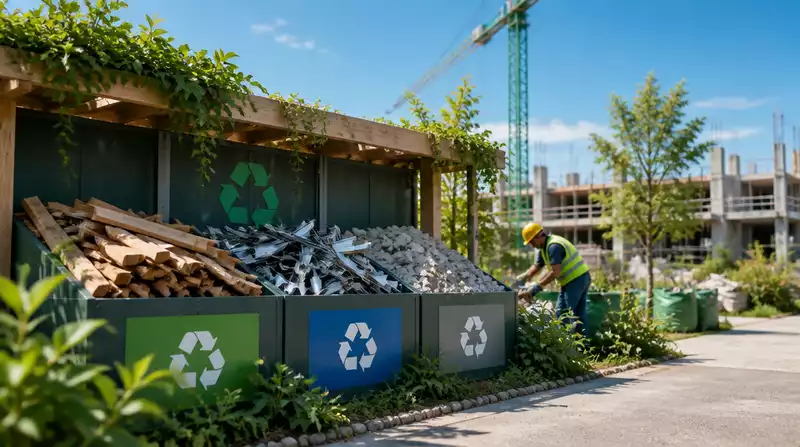
Construction waste contributes significantly to global pollution and resource depletion, but it doesn’t have to. By embracing eco disposal solutions, the construction industry can turn waste into valuable resources while protecting our planet. Join the movement towards sustainability and learn how to implement effective waste management strategies!
What You Will Learn
- The critical role of eco-friendly disposal in minimizing environmental impact and enhancing company reputation.
- Key benefits of landfill diversion and recycling, including conserving resources and creating jobs in the recycling sector.
- Essential components of an effective construction waste management plan to ensure compliance and safety.
- Innovative waste reduction techniques, such as careful planning and utilizing recycled materials, to enhance project efficiency.
- Understanding various types of construction debris and their environmental impacts to promote responsible disposal practices.
- Importance of engaging with local eco disposal providers to foster sustainable practices in the construction industry.
- The significance of community recycling initiatives and how they can lead to broader environmental benefits.
Key Benefits of Eco-Friendly Disposal and Waste Management in Construction
Understanding the advantages of eco-friendly disposal practices is crucial for sustainable construction. Below are some key benefits illustrated for your reference. For more insights into responsible waste management, consider exploring eco-friendly household waste disposal methods, which often share principles with construction waste strategies.
Minimizes Environmental Impact
Eco-friendly disposal reduces the harmful effects of construction activities on the environment.
Reduces Landfill Contribution
By recycling materials, less waste ends up in landfills, conserving space and resources.
Enhances Company Reputation
Businesses that adopt eco-friendly practices attract clients and stakeholders who value sustainability.
Conserves Natural Resources
Recycling saves raw materials, reducing the need for new resource extraction.
Understanding Eco Disposal Solutions for Construction Debris
When it comes to construction projects, managing debris is a significant aspect that cannot be overlooked. Eco disposal solutions play a crucial role in not just clearing the site, but also ensuring that waste is handled responsibly. At Junkivo, we believe in connecting our customers with local haulers who prioritize sustainability, helping to foster a cleaner environment for everyone!
In this section, we will explore the importance of eco-friendly disposal, the benefits of landfill diversion and recycling, and effective waste management strategies tailored for construction. By understanding these elements, we can make informed decisions that contribute to sustainable practices in the construction industry.
The Importance of Eco-Friendly Disposal in Construction
Eco-friendly disposal is essential in construction for several reasons. First, it promotes sustainability by minimizing the environmental impact of construction activities. Second, it ensures that materials are appropriately recycled or repurposed, reducing the pressure on landfills and conserving natural resources. For a comprehensive guide on making environmentally sound choices, explore our article on eco-friendly disposal practices.
Moreover, adopting eco disposal practices can enhance your reputation in the community. Clients and stakeholders increasingly favor environmentally conscious companies, so demonstrating a commitment to sustainability can boost your business appeal.
- Minimizes environmental impact
- Reduces landfill contribution
- Enhances company reputation
Why Choose Eco Disposal Solutions?
Choosing eco disposal solutions means selecting methods that support environmental health. It’s not just about clearing debris; it’s about doing it in a way that respects nature. At Junkivo, we understand this challenge and strive to connect our users with services that reflect these values.
Beyond the obvious environmental benefits, opting for eco-friendly disposal can also lead to cost savings in the long run. Many local haulers offer recycling services that can reduce disposal fees and even turn waste into reusable resources—talk about a win-win!
Benefits of Landfill Diversion and Recycling
Diversion of materials from landfills is a critical aspect of eco-friendly construction disposal. When waste is recycled, it can be transformed into new products, which conserves energy and reduces pollution. Some key benefits of landfill diversion include:
- Conserving natural resources
- Reducing greenhouse gas emissions
- Creating new job opportunities in recycling industries
By prioritizing landfill diversion and recycling, construction projects not only align with regulatory requirements but also contribute to a healthier planet. This proactive approach helps pave the way for future sustainable practices in the construction industry, making it a choice worth considering!
Construction Waste Management Strategies
To effectively manage construction waste, implementing robust waste management plans is essential. These plans should outline the types of waste generated, disposal methods, and recycling options. Engaging local haulers who align with your eco-friendly goals can elevate your waste management strategy.
Additionally, regular training of staff on waste management practices ensures everyone is on the same page. This collaborative approach can lead to better adherence to the waste management plan and promote a culture of sustainability on-site.
Implementing Waste Management Plans
Creating an actionable waste management plan involves a few essential steps. Here’s a quick checklist to guide you:
- Identify types of waste produced on-site
- Establish recycling and disposal protocols
- Designate roles for waste management
- Monitor and evaluate waste management practices regularly
By following these steps, you can streamline your waste management processes and ensure compliance with local regulations while supporting eco-friendly initiatives.
Waste Reduction Techniques in Construction
Waste reduction is a vital aspect of any eco-disposal strategy. Implementing techniques like off-site fabrication, careful planning, and using sustainable materials can significantly minimize waste generation. At Junkivo, we advocate for these practices as they not only help the environment but can enhance project efficiency! For more details on choosing a partner, see our guide on choosing an eco disposal company.
Here are some effective waste reduction techniques:
- Optimize material order quantities
- Utilize recycled or repurposed materials
- Conduct regular site assessments to identify waste sources
Incorporating these strategies not only benefits the environment but can also result in cost savings and improved project timelines. It’s a smart approach for any construction project!
Types of Construction Debris and Their Impact
Understanding the various types of construction debris generated is essential for effective management. Common materials include concrete, wood, metals, and plastics, each having its own disposal and recycling needs. Knowing what you're dealing with can make a big difference in how you approach waste management.
Proper handling of construction debris is crucial since certain materials can have severe environmental impacts if improperly disposed of. That's why it's important to prioritize eco-friendly disposal methods whenever possible.
Common Materials Generated from Construction Projects
The typical debris from construction includes:
- Concrete and asphalt
- Wood and timber
- Metal scraps
- Plastics and foam
- Drywall and other building materials
By recognizing these materials, we can develop targeted strategies for recycling and responsible disposal, which is exactly what we're here to help you achieve at Junkivo!
Environmental Impacts of Improper Disposal
Improper disposal of construction debris can lead to numerous environmental issues, including soil contamination, water pollution, and increased landfill waste. These impacts can harm local ecosystems and diminish community health.
Understanding these risks is vital for any construction business, and it emphasizes the need for responsible waste disposal practices. By working with eco-friendly disposal services, you can help mitigate these risks while contributing to a cleaner planet.
Understanding Construction and Demolition (C&D) Waste
Construction and demolition waste, often referred to as C&D waste, encompasses a broad range of materials generated during construction, renovation, and demolition activities. The bulk of this waste can be recycled or recovered, making C&D waste management an important aspect of sustainable construction practices.
By prioritizing eco disposal solutions, we can significantly reduce the amount of C&D waste that ends up in landfills. This not only benefits the environment but also supports a more sustainable construction industry overall.
Quick Summary
Here's a brief recap of the key points discussed so far:
- Eco-friendly disposal minimizes environmental impact and enhances company reputation.
- Diversion of materials from landfills conserves natural resources and reduces greenhouse gas emissions.
- Effective waste management strategies are essential for compliance and sustainability in construction.
- Understanding types of construction debris helps develop targeted recycling and disposal strategies.
Frequently Asked Questions About Eco Disposal Solutions in Construction
Q: What are eco disposal solutions for construction waste?
A: Eco disposal solutions involve methods that minimize the environmental impact of construction waste. This includes recycling, repurposing materials, landfill diversion, and proper handling of hazardous substances to protect the planet and conserve resources.
Q: Why is eco-friendly disposal important in the construction industry?
A: It's crucial for several reasons: it reduces environmental pollution, conserves natural resources by recycling materials, lessens the burden on landfills, and enhances a company's reputation by demonstrating a commitment to sustainability.
Q: What are the main benefits of landfill diversion and recycling in construction?
A: Key benefits include conserving natural resources, reducing greenhouse gas emissions, and creating new job opportunities within the recycling industry. It contributes to a healthier planet and helps meet regulatory requirements.
Q: How can construction companies implement effective waste management plans?
A: Companies should identify waste types, establish clear recycling and disposal protocols, designate roles for waste management, and regularly monitor and evaluate their practices. Engaging local haulers committed to sustainability is also vital.
Q: What are common types of construction debris and their environmental impacts?
A: Common materials include concrete, wood, metals, plastics, and drywall. Improper disposal can lead to soil and water contamination, increased landfill waste, and harm to local ecosystems and community health.
Final Thoughts on Eco Disposal Solutions for Construction Debris
As we wrap up our discussion on eco disposal solutions for construction debris, it's essential to reflect on the key takeaways. Embracing eco-friendly disposal practices is not just beneficial—it's vital for protecting our environment. The construction industry has a significant impact on waste generation, and we all play a role in reducing that footprint. As someone deeply invested in sustainability, I believe that every construction project can incorporate these practices to create a cleaner future! To learn more about environmental impacts, check out our insights on junk removal and environmental impact.
First and foremost, compliance and safety are paramount in any disposal solution. By adhering to local regulations and standards, we ensure that our practices not only promote sustainability but also protect workers and the community. It's about creating a safe environment for everyone involved, and that starts with choosing the right disposal methods.
Recap of Key Points on Eco-Friendly Disposal Practices
Throughout this article, we've explored various aspects of eco-friendly disposal, and I want to highlight a few critical points:
- Understanding the types of construction debris and their potential environmental impacts.
- Implementing waste management plans and innovative recycling techniques.
- Identifying hazardous materials and ensuring their proper disposal.
- Evaluating local eco disposal providers for sustainable practices.
By focusing on these factors, we can improve waste management in our construction projects and contribute to a sustainable future. As a business owner with a passion for responsible waste management, it’s truly exciting to see how we can transform our industry through eco-friendly solutions!
Importance of Compliance and Safety in Disposal Solutions
One of the most pressing issues in waste disposal is compliance with local regulations. Not only does this help protect the environment, but it also shields your project from potential legal issues. Understanding safety protocols ensures that everyone on the job site is protected, and that the disposal methods used are effective and responsible.
Working with a reputable eco disposal provider can make all the difference. They will navigate the complex regulations and ensure that you meet all safety standards while promoting sustainable practices. Trust me, it's worth the effort!
Encouraging Sustainable Practices in the Construction Industry
It's vital to advocate for and adopt sustainable practices in construction. This not only helps the planet but also often leads to cost savings and improved efficiency in projects. By prioritizing eco disposal solutions, we demonstrate a commitment to responsible construction, which can enhance our reputation in the industry.
Join me in encouraging others in the construction field to think innovatively about waste management. Share stories, insights, and successes—together we can build a community focused on sustainability!
Engaging with Local Disposal and Recycling Services
Finding and selecting reliable eco disposal providers is crucial to implementing sustainable practices. Here’s how you can get started:
- Research local companies that specialize in eco-friendly disposal solutions.
- Read reviews and testimonials from other contractors in your area.
- Ask for referrals to ensure you're choosing a reputable provider.
When you partner with the right local services, it’s easier to stick to eco-friendly methods while managing your construction debris. We at Junkivo are dedicated to supporting customers in finding the best local haulers who care about the environment as much as you do! To guide your selection, consider our advice on choosing the right junk removal service.
Contact Information and Next Steps for Eco-Friendly Disposal
To take the next step in your eco disposal journey, reach out to your chosen disposal provider and discuss your specific needs. Ask about their practices, recycling options, and how they can assist with compliance. If you're unsure where to start, feel free to contact us at Junkivo—we're here to help connect you with reliable services!
Promoting Community Recycling Initiatives
Finally, let’s not forget the importance of community engagement! Promoting recycling initiatives and educational programs can significantly impact local waste management practices. Consider hosting workshops or collaborating with local organizations to spread awareness about the benefits of eco disposal.
Through these efforts, we can inspire others to take action and create a cleaner, greener future for all. Together, we can make a difference in the construction industry and beyond—let's lead the way!
Recap of Key Points
Here is a quick recap of the important points discussed in the article:
- Eco-friendly disposal minimizes environmental impact and enhances company reputation.
- Landfill diversion and recycling conserve resources, reduce emissions, and create jobs.
- Implementing comprehensive waste management plans is crucial for effective debris handling.
- Utilizing waste reduction techniques can lead to cost savings and improved project efficiency.
- Understanding the types of construction debris helps develop targeted recycling strategies.
- Compliance with local regulations ensures safe and responsible disposal practices.
- Engaging with local eco disposal providers supports sustainable practices in the construction industry.

Jordan Harlow
Jordan Harlow is a tech enthusiast and entrepreneur with a passion for sustainability and efficient waste management solutions. With years of experience in the junk removal industry, Jordan is dedicated to driving innovation and creating seamless connections between customers and local haulers through Junkivo.
Popular Posts
Junk Removal Process Explained Simply
![Junk Removal Process Explained Simply]() Did you know that effective junk removal can significantly enhance your living space while also bene
Did you know that effective junk removal can significantly enhance your living space while also bene
 Did you know that effective junk removal can significantly enhance your living space while also bene
Sustainable Junk Removal Made Simple
![Sustainable Junk Removal Made Simple]() Did you know that adopting sustainable practices in junk removal can significantly reduce pollution
Did you know that adopting sustainable practices in junk removal can significantly reduce pollution
 Did you know that adopting sustainable practices in junk removal can significantly reduce pollution
Donate Before You Junk
![Donate Before You Junk]() What if your unwanted items could bring joy to someone else while also benefiting the environment? T
What if your unwanted items could bring joy to someone else while also benefiting the environment? T
 What if your unwanted items could bring joy to someone else while also benefiting the environment? T
Eco-Friendly Junk Removal Trends
![Eco-Friendly Junk Removal Trends]() What if your clutter could help save the planet? By opting for eco-friendly junk removal, you not on
What if your clutter could help save the planet? By opting for eco-friendly junk removal, you not on
 What if your clutter could help save the planet? By opting for eco-friendly junk removal, you not on
