Dispose of Hazardous Waste Safely
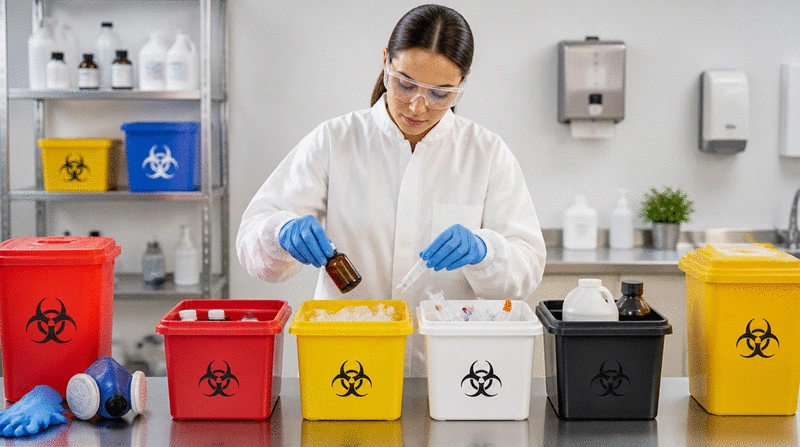
Did you know that improper disposal of hazardous waste can lead to severe environmental and health risks? Understanding how to manage this waste is not just a responsibility but a necessity for creating a sustainable future.
What You Will Learn
- Definition of hazardous waste and its common types, like chemicals and medical waste.
- Potential health and environmental risks of improper hazardous waste disposal.
- Impact of hazardous waste on biodiversity and greenhouse gas emissions.
- Steps to locate local hazardous waste disposal facilities and resources.
- How to engage with local government and NGOs for education and support on waste management.
Impact of Improper Hazardous Waste Disposal
Understanding the serious environmental and health risks associated with hazardous waste disposal is crucial for sustainable practices. Below are key comparisons representing the potential impacts. For more insights on how to manage waste responsibly, explore sustainable waste disposal options.
Soil Contamination
Affects agriculture and wildlife, leading to loss of arable land and biodiversity.
Water Pollution
Can contaminate drinking supplies, posing serious health risks to communities.
Health Issues
Includes respiratory problems and poisoning from exposure to hazardous materials.
Biodiversity Loss
Species struggle to survive in contaminated environments, leading to ecosystem imbalances.
Greenhouse Gas Emissions
Improper management can increase emissions, contributing to climate change.
Long-term Community Health Effects
Communities near toxic waste sites face persistent health risks.
Understanding Hazardous Waste and Its Impact
When we think about waste, we often picture simple trash like old boxes or food scraps. But not all waste is created equal! Hazardous waste can pose serious risks to both our health and the environment, making it crucial to understand what it is and how to handle it properly. At Junkivo, we believe that educating ourselves about hazardous waste is the first step toward responsible disposal and sustainability.
Defining Hazardous Waste: What You Need to Know
So, what exactly is hazardous waste? It generally refers to any waste that is dangerous or potentially harmful to human health or the environment. This can include items like toxic chemicals, pesticides, batteries, and certain electronic waste. Identifying hazardous waste is important because it requires special handling and disposal methods. Here’s a quick list of common types of hazardous waste:
- Chemicals and solvents
- Pesticides and herbicides
- Heavy metals (like lead and mercury)
- Used batteries
- Medical waste (like sharps and pharmaceuticals)
It’s essential to recognize these items in your home or business. At Junkivo, we often remind customers that even seemingly harmless items can be hazardous in certain conditions. For example, a simple paint can may seem benign, but if not disposed of correctly, it can be incredibly harmful! To learn more about proper disposal, check out our guide on eco-friendly household waste disposal.
The Environmental and Health Risks of Improper Disposal
Improper disposal of hazardous waste can lead to significant health and environmental issues. When these materials end up in landfills or are dumped illegally, they can contaminate soil and water supplies, posing risks to ecosystems and human health. Some of the potential risks include:
- Soil contamination that affects agriculture and wildlife
- Water pollution that can harm drinking supplies
- Health issues such as respiratory problems and poisoning
It's scary to think that common items in our homes can contribute to such serious problems. By taking the time to educate ourselves and practice responsible disposal methods, we can all play a part in protecting our health and the environment. At Junkivo, we're committed to helping you find safe ways to dispose of hazardous waste!
Environmental Impact of Hazardous Waste
The impact of hazardous waste on our environment is profound. Not only can it harm the air we breathe and the water we drink, but it can also destroy habitats and biodiversity. Hazardous waste can have far-reaching effects, including:
- Loss of biodiversity as species struggle to survive in contaminated environments
- Increased greenhouse gas emissions from improper waste management
- Long-term health effects for communities living near toxic waste sites
As someone passionate about sustainability, I often think about our responsibility to future generations. The choices we make today regarding hazardous waste can lead to a cleaner and safer planet for tomorrow. By understanding the impact of our waste and choosing eco-friendly disposal methods, we can create a positive change. Together, let’s work towards a more sustainable future with Junkivo leading the way!
Pro Tip
Did you know? Many communities offer free hazardous waste disposal days where residents can safely drop off their hazardous items without any cost. Keep an eye on local announcements for these events, as they provide a perfect opportunity to dispose of unwanted items responsibly!
Frequently Asked Questions About Hazardous Waste Disposal
Hazardous waste includes any waste that is dangerous or potentially harmful to human health or the environment. Common types include toxic chemicals, pesticides, batteries, certain electronic waste, heavy metals (like lead and mercury), and medical waste.
Improper disposal can lead to severe environmental and health risks, including soil contamination, water pollution, respiratory problems, poisoning, biodiversity loss, increased greenhouse gas emissions, and long-term health effects for communities near toxic waste sites.
You can find local facilities by checking your city or county’s official waste management website, using online tools like Earth911 or RecycleNation, contacting your local waste management authority, or participating in community clean-up events.
Local governments often provide information on collection facilities, host disposal events, offer newsletters, and conduct workshops. NGOs promote awareness, educate communities, and organize clean-up events, offering valuable resources and support.
Finding Local Disposal Resources and Support
When it comes to disposing of hazardous waste responsibly, finding the right resources is crucial. Thankfully, many local facilities and programs are designed to help residents and businesses manage their waste safely. The good news is that you don’t have to navigate this process alone! With a few tips, you can quickly locate the support you need.
First off, I recommend checking your local government website for information on hazardous waste collection facilities. These resources often provide up-to-date details on drop-off locations and upcoming collection events. If you’re like me, you’ll appreciate how convenient it is to have everything in one place, making the process seamless and stress-free! For those looking to manage waste efficiently, understanding real-time tracking in junk removal can also be beneficial.
How to Locate Nearby Hazardous Waste Collection Facilities
Finding nearby hazardous waste collection facilities can feel overwhelming, but it doesn’t have to be! Follow these steps to make the search easier:
- Visit your city or county’s official website to access their waste management resources.
- Use online tools like Earth911 or RecycleNation to find local recycling centers.
- Contact your local waste management authority directly for guidance on disposal options.
- Participate in community clean-up events, which often include hazardous waste drop-off points.
By taking these steps, you can ensure that your hazardous items are disposed of properly. Remember, it's not just about getting rid of waste; it's about doing it the right way for our environment!
Utilizing Local Government Resources and Programs
Your local government often has programs specifically designed to assist with hazardous waste disposal. These can be fantastic resources that provide education and support. Here are some ways to utilize these programs:
- Sign up for newsletters or notifications about hazardous waste disposal events.
- Attend public meetings or workshops on waste management to learn more about proper disposal.
- Explore grants or incentives for businesses looking to improve their waste management practices.
These government resources can not only help you with disposal but also keep you informed about best practices. It’s a win-win for both you and the environment! Consider how choosing the right junk removal service can further assist with responsible disposal.
Engaging NGOs and Community Education on Hazardous Waste
Non-governmental organizations (NGOs) play a vital role in promoting awareness and education regarding hazardous waste disposal. Engaging with these organizations can offer a wealth of information. Here’s how you can get involved:
- Follow local NGOs focused on environmental issues to stay updated on campaigns and events.
- Participate in workshops or programs that educate the community about hazardous waste.
- Volunteer for clean-up events organized by these NGOs to make a direct impact.
By connecting with NGOs, you not only gain access to valuable resources, but you also contribute to a larger movement toward sustainable waste management. Together, we can make a difference! To understand more about the comprehensive approach to waste, also explore junk removal and environmental impact.
Conclusion: Ensuring Safe and Responsible Hazardous Waste Disposal
In summary, finding local disposal resources and support is essential for safe hazardous waste disposal. Utilizing government programs and engaging with NGOs are effective ways to ensure you’re handling waste properly. As Jordan Harlow from Junkivo often emphasizes, being proactive about waste management not only protects our health but also our planet!
So, are you ready to take action? Explore your local resources today and join the movement toward responsible hazardous waste disposal!
Recap of Key Points
Here is a quick recap of the important points discussed in the article:
- Hazardous waste includes harmful items like chemicals, pesticides, heavy metals, batteries, and medical waste that require special handling.
- Improper disposal can lead to significant health risks and environmental contamination, affecting soil, water, and human health.
- The environmental impact includes loss of biodiversity, increased greenhouse gas emissions, and long-term health effects for nearby communities.
- To find local disposal resources, check government websites, use online tools, or contact local waste management authorities.
- Engage with local government programs and NGOs for support, education, and community clean-up initiatives to promote responsible waste management.

Jordan Harlow
Jordan Harlow is a tech enthusiast and entrepreneur with a passion for sustainability and efficient waste management solutions. With years of experience in the junk removal industry, Jordan is dedicated to driving innovation and creating seamless connections between customers and local haulers through Junkivo.
Popular Posts
Junk Removal Process Explained Simply
![Junk Removal Process Explained Simply]() Did you know that effective junk removal can significantly enhance your living space while also bene
Did you know that effective junk removal can significantly enhance your living space while also bene
 Did you know that effective junk removal can significantly enhance your living space while also bene
Sustainable Junk Removal Made Simple
![Sustainable Junk Removal Made Simple]() Did you know that adopting sustainable practices in junk removal can significantly reduce pollution
Did you know that adopting sustainable practices in junk removal can significantly reduce pollution
 Did you know that adopting sustainable practices in junk removal can significantly reduce pollution
Donate Before You Junk
![Donate Before You Junk]() What if your unwanted items could bring joy to someone else while also benefiting the environment? T
What if your unwanted items could bring joy to someone else while also benefiting the environment? T
 What if your unwanted items could bring joy to someone else while also benefiting the environment? T
Eco-Friendly Junk Removal Trends
![Eco-Friendly Junk Removal Trends]() What if your clutter could help save the planet? By opting for eco-friendly junk removal, you not on
What if your clutter could help save the planet? By opting for eco-friendly junk removal, you not on
 What if your clutter could help save the planet? By opting for eco-friendly junk removal, you not on
