Implement Waste Reduction Techniques
Assess your waste habits and make conscious choices to cut down on unnecessary waste generation.
Here are some practical steps that individuals and organizations can take to promote eco-friendly practices and reduce waste. For more insights on responsible waste management, consider exploring eco-friendly household waste disposal methods.
Assess your waste habits and make conscious choices to cut down on unnecessary waste generation.
Turn kitchen scraps into nutrient-rich soil by following a simple composting process.
Create an organized system for sorting and recycling materials at home.
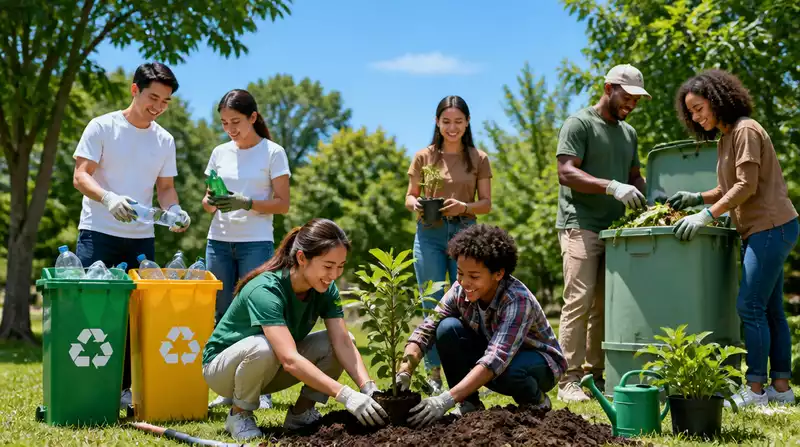
Volunteer for local cleanup events to help beautify your community and promote awareness.
Promote eco-friendly practices within your organization or community to inspire others.
At Junkivo, we believe that everyone can play a part in supporting eco-friendly disposal methods. Understanding what eco disposal initiatives entail is crucial for fostering a more sustainable way of living. These initiatives not only help in reducing waste but also pave the way for a healthier environment and community. Let’s dive into the significance of these initiatives and how they impact our world!
Eco disposal initiatives are programs and practices aimed at managing waste in a way that minimizes environmental harm. They focus on recycling, composting, and responsible disposal methods that reduce landfill use. When we engage in these practices, we significantly decrease pollution and conserve natural resources, helping to create a more sustainable planet.
The impact of these initiatives can be profound. For instance, they can lead to lower greenhouse gas emissions and the preservation of biodiversity. By participating in eco disposal efforts, we contribute to a cleaner, healthier environment for future generations!
Sustainable waste disposal is essential not just for the planet but also for community health. Proper waste management reduces the risk of diseases and pollution, ensuring cleaner neighborhoods. By fostering a culture of sustainability, we can enhance the quality of life for all community members. For businesses, adopting eco-friendly business junk removal practices can also make a significant difference.
Moreover, when communities come together to support these initiatives, it creates a stronger sense of belonging and responsibility. It’s not just about cleaning up; it’s about building a healthier future! Just imagine the transformation in our communities by prioritizing eco-friendly practices!
The concept of a circular economy is revolutionary. It shifts the focus from a linear model—where products are made, used, and discarded—to one where waste is minimized, and resources are reused. This approach encourages us to think about the lifecycle of products and find ways to repurpose materials.
By engaging with this model, we can reduce the environmental footprint of our consumption habits. Consider ways to support local businesses that adopt circular principles, such as those that prioritize sustainable resources! Let's work towards a future where waste becomes a thing of the past.
Zero waste principles focus on eliminating waste altogether by redesigning resource life cycles. The goal is to ensure that all products are reused, repaired, or recycled, significantly cutting down on what ends up in landfills. These principles can be applied in our daily lives through mindful purchasing and consumption habits.
It’s empowering to think that by adopting a zero waste mindset, we can make a positive difference. Here are a few practical steps to embrace zero waste living:
Reducing waste at home is easier than you might think! Simple changes can have a significant impact. Start by assessing your waste generation habits and identifying areas for improvement—like cutting down on food waste or choosing more sustainable products. For more detailed guidance, explore eco-friendly disposal practices guide.
Here are some effective techniques to help minimize waste in your household:
Composting is a fantastic way to turn kitchen scraps into nutrient-rich soil. It’s a win-win for both you and the environment! Here’s a simple guide to get started:
With patience and care, you’ll have rich compost to enrich your garden in no time!
Setting up a home recycling program doesn’t have to be complicated! First, familiarize yourself with your local recycling guidelines. Once you know what can be recycled, designate an area in your home for sorted items. You can use bins or labeled boxes to make recycling straightforward and accessible.
Here are some items typically accepted for recycling:
Upcycling is a fun and creative way to give new life to items that would otherwise be discarded. Instead of throwing out old furniture or clothing, consider ways to transform them into something useful or beautiful!
Here are a few upcycling ideas to inspire you:
Getting the community involved in eco-friendly practices can amplify the impact of your efforts. Organizing community cleanups is a great way to mobilize neighbors while raising awareness about waste management. Workshops can also help educate participants on sustainable practices!
Consider collaborating with local schools or organizations to maximize participation and reach. The more, the merrier—let’s make a difference together!
Establishing collection points for recyclable materials can simplify the process for community members. These can be set up in local parks or community centers. Alongside collection points, educational outreach programs can help spread the word about the importance of recycling and waste reduction.
Involving local leaders and influencers can also enhance outreach effectiveness. Together, we can cultivate a culture of sustainability in our communities!
Non-profit organizations play a critical role in driving community engagement for eco disposal initiatives. They often provide resources, expertise, and volunteers to support local cleanups and educational campaigns. Partnering with these organizations can amplify your efforts and help foster a stronger commitment to sustainability.
Let’s work hand in hand with non-profits to inspire others and create lasting change! It’s all about building a collective movement towards a greener future.
Businesses can also make an impact by implementing eco disposal initiatives. Conducting waste audits helps identify areas for improvement. By understanding how much waste is generated and what types are most prevalent, businesses can create targeted strategies for waste reduction.
Waste audits can also reveal opportunities for cost savings, promoting both sustainability and efficiency. It’s a great first step toward a greener business model!
Establishing a recycling program within your business can significantly reduce waste and promote sustainability. Here are some steps to consider:
Involving staff in these initiatives can create a sense of ownership and responsibility!
Working with suppliers who share your commitment to sustainability can enhance your eco disposal efforts. Look for those who prioritize recyclable materials and responsible waste management. This collaborative approach can strengthen your business’s eco-friendly reputation and encourage more sustainable practices throughout the supply chain.
Let’s champion responsible sourcing together—it’s an opportunity to make a meaningful difference!
Adopting green business practices is not only beneficial for the environment but also for your brand image. Customers increasingly value sustainability, and embracing corporate social responsibility (CSR) can enhance customer loyalty. Consider initiatives like planting trees, supporting local environmental causes, or reducing your carbon footprint.
At Junkivo, we are committed to these values, and we encourage other businesses to do the same. Together, we can create a more sustainable future!
Measuring success is essential for any eco disposal initiative. By establishing Key Performance Indicators (KPIs), businesses and communities can track their progress and identify areas for improvement. Common KPIs include recycling rates, waste reduction percentages, and participation levels in community programs.
Regularly reviewing these metrics helps ensure that initiatives remain effective and aligned with sustainability goals.
Examining successful case studies can provide valuable insights into effective eco disposal practices. Look for organizations that have made significant strides in waste reduction or recycling. Learning from their experiences can inspire and inform your own efforts.
It’s motivating to see how others have successfully navigated challenges and made a positive impact! Let’s leverage these successes to fuel our own initiatives.
Conducting environmental impact assessments is crucial for evaluating the effectiveness of eco disposal initiatives. These assessments help measure the environmental benefits achieved, such as reduced emissions or improved community health. Regular evaluations ensure that efforts are on track and can guide future initiatives.
By staying committed to assessing our impact, we can continually improve and adapt our strategies for a greener tomorrow!
One of the biggest hurdles in recycling is contamination. When non-recyclable items are placed in recycling bins, it can ruin entire batches. Addressing these issues requires clear communication and education about proper recycling practices. Consider labeling bins and providing guidelines to help minimize contamination!
Let’s work together to ensure recycling programs are effective and efficient!
Some materials are harder to recycle than others, such as certain plastics and textiles. To tackle this challenge, we can explore alternative disposal methods, including donation or repurposing. Learning about local recycling capabilities can also help inform better practices for dealing with these tricky items.
Every small step can lead to significant progress!
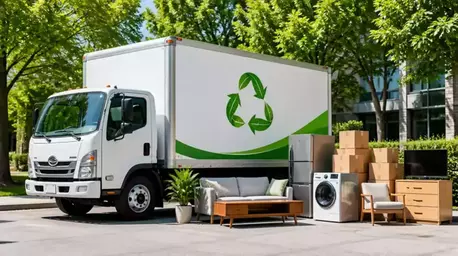
E-waste poses a unique challenge, as it often contains hazardous materials. Responsible disposal is crucial to prevent environmental harm. Many communities offer special e-waste collection events or programs. Make sure to stay informed about how to dispose of electronic items safely!
At Junkivo, we’re dedicated to connecting you with local haulers who can help with e-waste disposal. For more information on safely disposing of electronics, consider reading about recycling electronics through junk removal. Let’s ensure that our electronic waste is handled responsibly and safely!
Here's a brief recap of the key points discussed so far:
As we wrap up our discussion on eco disposal initiatives, it's crucial to recognize the impact we can make. Whether you’re an individual, a member of a community, or a business owner, every action counts. At Junkivo, we believe that by working together, we can create a cleaner, healthier environment for everyone!
Let’s quickly recap the practical steps we can all take to support eco disposal initiatives. These actions are not only beneficial for the planet but also enhance community well-being. Remember, even small changes can lead to significant positive impacts!
It’s essential to keep adapting and improving our eco-friendly practices. The world is constantly changing, and so should our approaches to waste management. By staying informed and flexible, we can effectively address the challenges that arise in our pursuit of sustainability.
Continuous improvement can take many forms, including:
Getting involved is easier than you might think! There are numerous resources available for those looking to support local eco disposal initiatives. It’s all about finding what resonates with you and your community. Let’s be the change we want to see!
Here are a few ways you can join the movement:
Here is a quick recap of the important points discussed in the article:
Jordan Harlow is a tech enthusiast and entrepreneur with a passion for sustainability and efficient waste management solutions. With years of experience in the junk removal industry, Jordan is dedicated to driving innovation and creating seamless connections between customers and local haulers through Junkivo.